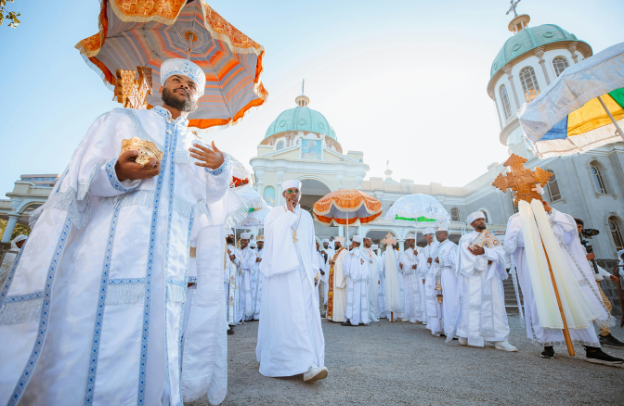
Exploring Africa Together: The Benefits of Group Travel for the African Diaspora
In an era where globalization often blurs cultural identities, group travel emerges as a powerful tool for reconnecting African diaspora communities with their ancestral roots. These collective journeys transcend mere sightseeing; they are profound explorations of heritage, identity, and shared history. By traveling together to ancestral homelands, participants engage in transformative experiences that bridge geographical divides and cultivate a deeper sense of unity.
Be the change—volunteer your time and expertise with the WeDiasporan mission.
The Essence of Group Travel in Cultural Reconnection
Group travel, particularly heritage-focused journeys, serves as a conduit for cultural education and identity reinforcement. For African diaspora communities, these trips offer a tangible connection to ancestral lands, traditions, and narratives that have been fragmented over generations.
By collectively engaging in these experiences, participants foster a shared understanding and appreciation of their cultural heritage.
See also: Virtual Tours: The Future of Memory Building for African Diasporans Across the Globe
Research indicates that diaspora tourism significantly influences individuals’ sense of identity and belonging. A study by Otoo, Kim, and King (2021) highlights that motivations for diaspora tourism are deeply rooted in the desire for cultural connection and self-discovery.
These motivations shape the experiences of travelers, leading to meaningful engagements with heritage sites and local communities.
Nigeria: A Nexus of Heritage and Tourism
Nigeria, with its rich tapestry of cultures and histories, stands as a prominent destination for heritage tourism. The nation’s diverse ethnic groups contribute to a plethora of tangible and intangible heritage resources, from ancient artifacts to vibrant festivals. These cultural assets not only attract tourists but also serve as vital tools for cultural preservation and education.
The Osun-Osogbo Sacred Grove, a UNESCO World Heritage Site, exemplifies Nigeria’s commitment to preserving its cultural heritage. This sacred forest, dedicated to the goddess Osun, is a spiritual haven that offers visitors a glimpse into Yoruba cosmology and traditions. The annual Osun-Osogbo Festival draws thousands of participants, both local and international, fostering a sense of unity and cultural pride.
See also: Empowering the Diaspora: How Cultural Tourism Fosters Connection and Belonging
Similarly, the Sukur Cultural Landscape in Adamawa State showcases the ingenuity of indigenous communities through its terraced fields and traditional architecture. These sites not only preserve historical narratives but also provide economic opportunities for local populations through tourism-related activities.
The Role of Storytelling in Cultural Transmission
Storytelling, an intrinsic aspect of African cultures, plays a pivotal role in transmitting values, histories, and traditions. Incorporating storytelling into group tourism enriches the experience, allowing travelers to engage with the culture on a deeper level. Narratives shared by local guides and community members provide context to historical sites and cultural practices, fostering empathy and understanding.
Owosho (2020) emphasizes the importance of storytelling in education, advocating for its integration into school curricula to promote national development. By extending this approach to tourism, visitors gain a holistic understanding of the culture, beyond visual appreciation.
Economic and Social Impacts of Heritage Tourism
Heritage tourism significantly contributes to Nigeria’s economy, accounting for 3.6% of the GDP in 2022, approximately USD 17.3 billion. This sector not only generates revenue but also creates employment opportunities, with around 1.91 million people engaged in tourism-related jobs. These economic benefits underscore the importance of preserving and promoting cultural heritage.
Moreover, heritage tourism fosters community development and pride. Local communities become active participants in preserving and showcasing their culture, leading to increased cohesion and a sense of ownership. This collaborative approach ensures the sustainability of cultural practices and sites for future generations.
Challenges and the Path Forward
Despite its benefits, heritage tourism faces challenges, including the commercialization of cultural practices and the risk of cultural erosion. Balancing tourism development with cultural preservation requires strategic planning and community involvement. Policies must prioritize the protection of cultural sites and support initiatives that empower local communities.
See also: The Role of Ancestral Rituals in Memory Building for African Diaspora Communities
Education plays a crucial role in this endeavor. Integrating cultural studies into educational systems and promoting awareness among tourists can mitigate the risks associated with cultural commodification. By fostering respect and understanding, tourism can become a tool for cultural preservation rather than exploitation.
Conclusion
Group travel, when approached collaboratively, serves as a powerful mechanism for strengthening cultural identity among African and African diaspora communities. By engaging with heritage sites, participating in cultural practices, and embracing storytelling, travelers embark on journeys that transcend physical landscapes, delving into the realms of history, identity, and communal bonds. As Nigeria continues to harness its rich cultural assets, the synergy between tourism and cultural preservation offers a promising path toward sustainable development and cultural renaissance.
Be the change—volunteer your time and expertise with the WeDiasporan mission.